
Treatment
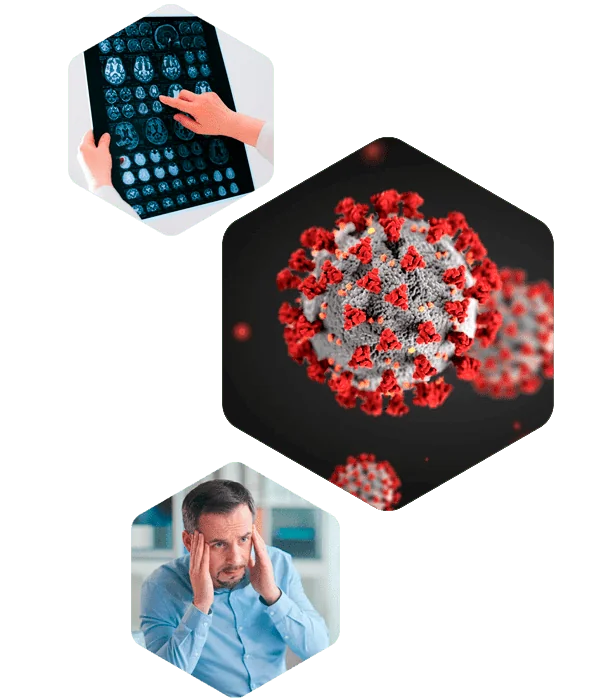
Treatment research concentrates on intervention, usually through medication, surgery, medical appliances, or therapy. Treatment-focused trials aim to look for solutions to specific problems.
Santos Research Center, Corp. is a research facility that conducts paid clinical trials in Tampa in partnership with major pharmaceutical companies and CROs. We conduct clinical research to help develop innovative, effective treatments. We will help you enroll in clinical trials that best meet your individual needs and goals.
Clinical trials are medical studies developed to provide data for new and existing treatment methods. Using statistical proof, clinical trials are conducted to determine if a new treatment is safe and effective.
Depending on the type of study and what is being examined, studies can last several months or several years. Clinical trials typically involve people with a specific medical condition looking for better treatments or new ways to manage their illness.
Treatment research concentrates on intervention, usually through medication, surgery, medical appliances, or therapy. Treatment-focused trials aim to look for solutions to specific problems.
The medical community will always prioritize prevention whenever possible, and prevention research checks the different preventative processes available to potentially benefit our health.
These clinical trials focus on identifying specific health conditions and disorders through screening.
Genetic studies evaluate how we can predict disorders based on our genes' relation to potential illnesses.
People struggling with chronic illnesses can benefit from quality-of-life research that focuses on long-term care and daily health.
The amount of payment often has to do with the phase of the trial. Phase 1 trials, for example, pay more because the treatments being studied are less well-understood compared to those in Phase IV trials, which offer the lowest average compensation.
Volunteering for clinical trials is an excellent way to develop treatments that will someday improve or even save lives.
Clinical research participants undergo a thorough evaluation by study specialists and are closely followed by our medical staff.
All enrolling studies have been conducted on humans and found to be safe before potential participants become involved. We don't charge the participant as the cost of medical research is paid for by the sponsors of the research program.
We're all in this fight together! Finding a treatment that combats memory loss early could help us envision a future without Alzheimer's disease.
We are recruiting volunteers who are at risk of developing symptoms of Alzheimer's disease as they get older.
Despite numerous investigations on migraines, doctors still have no definitive cure for this ailment.
We aim to enhance the quality of life for people with migraine by reducing pain and other discomforts associated with migraine episodes.
Efforts are underway worldwide to continue developing safe and innovative treatments and vaccines to protect people against the virus that causes COVID-19.
The treatments available today were made possible through the dedicated efforts of thousands of professionals and participants who have joined clinical trials.
Respiratory syncytial virus or RSV is a common infection that affects the respiratory tract.
RSV usually causes mild cold-like symptoms, but the virus can cause severe breathing problems.
A mild traumatic brain injury can temporarily affect brain neurons, while more severe ones can cause complicated long-term physical damage to the brain.
A TBI can have wide-ranging physical and psychological effects. Some symptoms may appear immediately, while others may appear days or weeks later.
Efforts are underway worldwide to continue developing safe and innovative treatments and vaccines to protect people against the virus that causes COVID-19.
Research participation helps scientists understand treatment response and the possibility of symptom rebound after infection.
Uncomplicated urinary tract infections are among the most frequent infections presenting in outpatient settings.
Clinical trials continue to evaluate efficient treatment interventions for uncomplicated UTI.
We are recruiting participants who experience increasing memory or thinking problems for a study to see if an investigational medication can potentially delay the progression of Alzheimer's disease.
Santos Research Center is currently seeking participants for a phase 3 clinical trial aimed at exploring new treatment avenues for Bipolar I Disorder.
This study is designed for individuals who have been diagnosed with Bipolar I Disorder and are seeking additional treatment options.
Santos Research Center invites individuals to participate in a phase 3 clinical trial focused on innovative treatment methods for obesity.
This trial is part of a research initiative to develop more effective strategies for weight management and overall health improvement.
Clinical trials are designed to assess and test new interventions such as psychotherapy or medications. Clinical trials are often conducted in 4 phases.
Researchers test an experimental study drug or treatment within a small group of people for the first time to evaluate safety, dosage, and side effects.
The experimental drug or treatment is given to a larger group of people to determine efficacy and further assess safety.
The experimental drug or treatment is given to large groups of people to confirm efficacy, track side effects, compare treatments, and collect safety information.
Post-marketing studies are performed after FDA approval to provide additional information about risks, advantages, and best use.
A placebo is an inactive substance that looks and tastes like the drug on trial but has no effect on the disease. A placebo is also called a sugar pill or dummy.
A placebo-controlled trial has two or more groups. One group gets the active treatment while the other gets the placebo, allowing researchers to compare outcomes.
Placebos are an important part of clinical studies because they provide researchers with a comparison point for new therapies.
Informed consent provides participants with important information about the clinical trial, including what procedures they will undergo and possible risks and benefits.
If you decide to participate after this discussion and review, you will be asked to sign the document and be given a copy. Informed consent continues throughout the trial as you receive newly obtained safety or trial-related information.
If you are interested in participating in paid studies at Santos Research Center, Corp., please read the following information about our process:
Initial phone conversation to determine study qualifications.
You review forms explaining your rights and obligations as a study participant.
Medical team will determine if you meet the basic study requirements.
You're entered into the study and assigned a treatment schedule.
The clinical team will guide you and evaluate how you are doing.
Study completion visit to return your diary and medication.
US Department of Health and Human Services: Provides clarification and guidance on the clinical trial process, educational materials, and advice on ethical and regulatory issues.
Office for Human Research Protections: Establishes criteria for compliance with policies that protect human subjects in research.
Food and Drug Administration (FDA): Regulates clinical research submitted in marketing applications for food, drugs, cosmetics, and medical devices in the US.
Clinical trial approval and monitoring by an Institutional Review Board (IRB): Every clinical trial in the United States must be approved by an IRB that reviews safety and participant risk.


The NIH conducts quality clinical research for several diseases and conditions, including cancer, Alzheimer's disease, allergies, infectious diseases, and neurological disorders.
Provides links to clinical investigators and regulatory correspondence resulting from inspection findings.
Good Clinical Practice incorporates ethical and scientific quality standards for research involving human participants.
The OHRP provides guidance, educational programs, regulatory oversight, and advice on ethical and regulatory problems.
Provides current information about clinical research studies to patients, families, caregivers, health care professionals, and the public.
Drug studies in humans can begin only after an investigational new drug is reviewed by the FDA and a local IRB.
Modern health and welfare advances depend on well-controlled studies with human subjects.
A Case Record Form records data and other important information on each trial subject.
If you are interested in participating in clinical studies at Santos Research Center, Corp., please read the following:
Participating in a clinical research trial is a deeply personal decision for you and your family. Many volunteers take part to find potential new treatments for a specific medical condition. Others participate in helping advance medicine for others in the future.
Whatever the reason is, your health and safety are always the top priority of any study.
If you would like to be included in our patient database, please click the Apply Now button below and submit your information.
Apply Now!Clinical trials help in discovering and evaluating new treatments that can improve outcomes for patients.